

Life Transitions Therapy in Chicago
Sometimes life changes because you chose something new. Sometimes change happens to you. And sometimes you simply realize that the life you’ve been living doesn’t fit quite the way it used to.
A new job, graduation, a move, a breakup, marriage, becoming a parent, changing relationships, an empty nest, or uncertainty about what comes next can bring excitement, grief, anxiety, relief—and sometimes all of those things at once.
You don’t have to be in crisis for a transition to feel difficult. Therapy can give you space to make sense of what’s changing, reconnect with yourself, and figure out how you want to move forward.
Meet Our Life Transitions Therapists
-
![]()
Kayleigh Reed, LPC
-
![]()
Dr. Robbi Wiggins
-
![]()
Jackie Bobos, M.S.Ed.
-
![]()
Brenna Wells, LPC
-
![]()
Alex Garcia, LPC
-
![]()
Paili Bachrach, LSW
-
![]()
Paichence Maze, LCPC
-
![Anne Marie Haugen, LMFT Life Transitions Therapist Chicago]()
Anne Marie Haugen, LMFT
-
![]()
Denice Spencer, LCPC
-
![Emma Mannes, LCSW Life Transitions Therapist Chicago]()
Emma Mannes, LCSW
-
![Nicole Pratl, MSW Life Transitions Therapist Chicago]()
Nicole Pratl, MSW
-
![]()
Isa Martinez Mulcahy, LCPC, R-DMT
-
![]()
Allie Cromer, LCSW
-
![Ivy Wenrich, LCSW Life Transitions Therapist Chicago]()
Ivy Wenrich, LCSW
-
![]()
Olivia Palumbo, LPC
-
![]()
Lucy Stock, MA
-
![]()
Rachel Rood, LCSW
-
![]()
Dr. Lia Panos
-
![Andrea Espinosa, LCSW Life Transitions Therapist Chicago]()
Andrea Espinosa, LCSW
-
![Lisa Sniderman, LCSW Life Transitions Therapist Chicago]()
Lisa Sniderman, LCSW
-
![]()
Claire Sweetow, LCSW
-
![]()
Dr. Megan Devine
-
![Chicago therapist with long brown hair wearing a sleeveless blue top and earrings, against a white background.]()
Lauren Schmalbruch, LCPC
-
![Chicago therapist Zana Van Der Smissen, LCPC, with long reddish-brown hair, wearing a green knitted sleeveless top and gold hoop earrings, smiling against a plain white background.]()
Zana Van Der Smissen, LCPC, PMHC






















Schedule Your 1st Appointment
When Life Doesn’t Look the Way It Used To
Even positive changes can be surprisingly difficult. A transition can disrupt your routines, relationships, identity, sense of belonging, or the picture you had of what your life was supposed to look like.
You might be:
Starting college, graduate school, or a new chapter after graduation
Changing jobs, careers, or questioning what you want from your work
Moving to Chicago—or wondering whether it’s time to leave
Going through a breakup, separation, or divorce
Getting married or adjusting to a changing relationship
Becoming a parent or figuring out who you are alongside parenthood
Navigating changing friendships or family relationships
Caring for aging parents or taking on new family responsibilities
Adjusting to an empty nest or another change in your family
Grieving a person, relationship, role, community, or version of your life
Feeling stuck between who you’ve been and who you’re becoming
Looking around at your life and thinking, “Is this really what I want?”
Sometimes you know exactly what changed. Other times, you simply feel restless, disconnected, anxious, or unsure of yourself without being able to explain why.
Therapy can help you slow down enough to understand what this season of your life is asking of you.
Common Life Transitions
-

Becoming a Parent
Welcoming a baby (human or animal) or becoming a parent can change your relationships, routines, priorities, and sense of identity.
-

Breakup, Separation or Divorce
The end of a relationship can bring grief, relief, uncertainty, loneliness, and questions about what comes next.
-

Graduation & Young Adulthood
Finishing school can be exciting—and disorienting when the structure you’ve known disappears and you’re suddenly deciding what’s next.
-

Moving & Starting Over
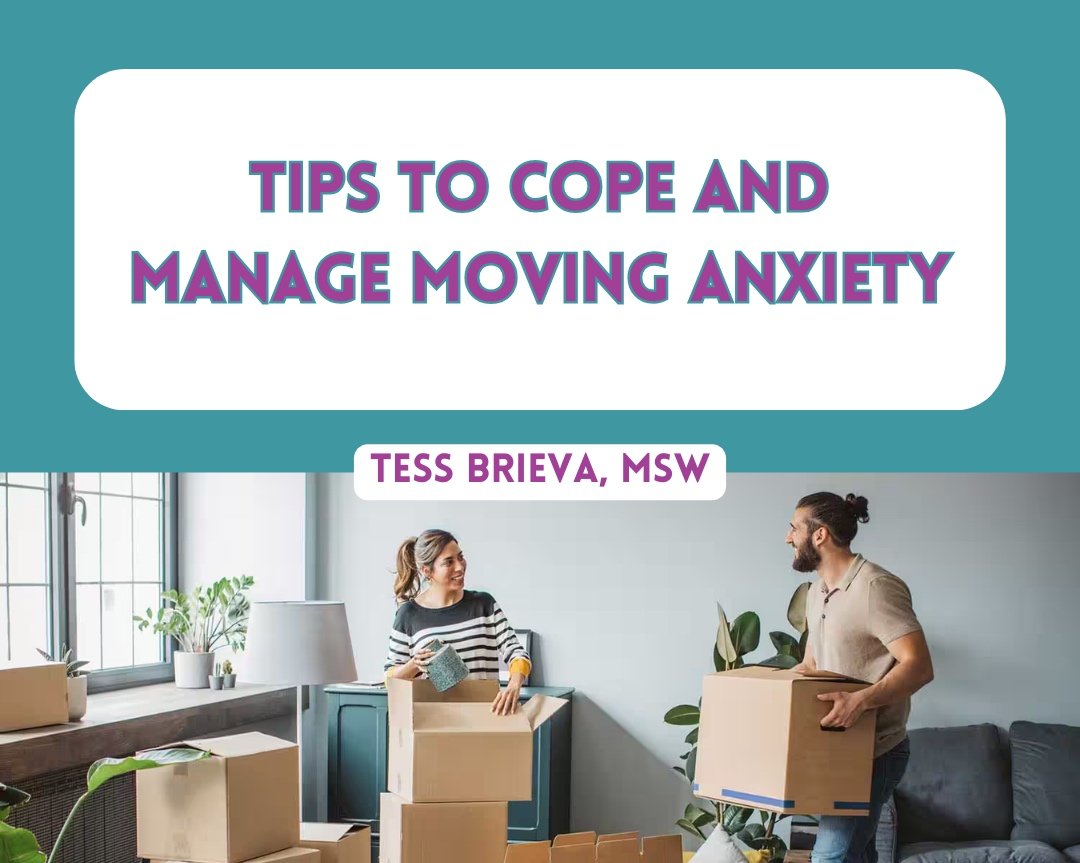
A move can affect your routines, friendships, support system, sense of home, and belonging—even when you chose it.
-

Career Changes
A new job, career pivot, layoff, promotion, or questioning your career altogether can bring up much more than work.
-

Grief & Loss
Transitions often involve letting go of something—a person, relationship, community, identity, expectation, or version of your life.
-

Marriage & Relationship Changes
Commitment and changing relationships can bring joy alongside questions about identity, family, expectations, and the future.
-

Midlife, Empty Nest & Reinvention
When roles you’ve held for years begin changing, you may find yourself asking new questions about who you are and what you want next.
Why Can Change Feel So Hard—even When It’s a Good Change?
We tend to think difficult transitions should involve something going wrong. But even changes you wanted can come with loss.
Getting married may mean adjusting to a new version of partnership. Becoming a parent can change your identity and relationships. Graduating can mean losing the structure and community you’ve known for years. A promotion can bring opportunity alongside pressure and self-doubt. Moving somewhere exciting can still feel lonely.
Transitions ask us to let go of something familiar before the new version of life feels completely settled.
That in-between period can bring anxiety, sadness, irritability, loneliness, self-doubt, grief, or a feeling that you don’t quite recognize yourself.
Having mixed feelings doesn’t mean you made the wrong decision. It means you’re adjusting to change.
When You’re Not Sure What Comes Next
Some transitions come with a clear next step. Others leave you in an uncomfortable in-between.
Maybe the relationship ended, but you don’t know what you want next. You’ve reached the career goal you worked toward and aren’t sure it was worth it. Your children need you differently now. You’ve changed, but the people around you still expect you to be who you’ve always been.
Or maybe nothing dramatic happened at all. You simply have a growing sense that something needs to change.
Therapy doesn’t require you to arrive with the answer. It can give you space to explore what you want, what you’re grieving, what you’re ready to let go of, and what you might want to build next.

How Life Transitions Therapy Can Help
Therapy can give you a place to slow down and make sense of what you’re experiencing without pressure to immediately “move on,” make a decision, or have everything figured out.
Depending on what you’re navigating, therapy can help you:
Process grief, uncertainty, anxiety, or conflicting emotions
Understand how a transition is affecting your identity and relationships
Cope with changes you didn’t choose
Make decisions when you’re unsure what comes next
Set boundaries as relationships and roles change
Notice old expectations or patterns that no longer fit
Build confidence in your ability to handle uncertainty
Reconnect with your values and what matters to you now
Create routines, relationships, and sources of support that fit this new season of your life
The goal isn’t to rush through the transition. It’s to help you move through it with greater clarity, self-understanding, and trust in yourself.
Finding the Right Therapist for This Chapter
Life transitions are personal, and the kind of support you need may depend on what you’re moving through.
Our therapists work with people navigating changes in relationships, careers, education, family roles, identity, grief, parenthood, and other major life transitions. While your circumstances may be unique, you don’t have to figure out how to navigate them entirely on your own.
Explore our life transitions therapists above to find someone who feels like a good fit, or schedule your first appointment when you’re ready to get started.

Life Transitions Blog Posts



Life Transitions Therapy FAQs
-
A life transition can be any meaningful change that affects the way you see yourself, your relationships, your routines, or your future. Common transitions include graduating, moving, changing careers, starting or ending a relationship, getting married, becoming a parent, experiencing grief or loss, caring for aging parents, navigating an empty nest, or entering a new stage of adulthood.
Transitions don’t have to be negative to be difficult. Even changes you’ve chosen or looked forward to can bring stress, grief, uncertainty, or unexpected emotions.
-
You don’t need to be in crisis to benefit from therapy. You might consider reaching out if a change is leaving you anxious, overwhelmed, lonely, stuck, disconnected from yourself, or unsure what to do next.
Therapy can also be helpful when you’re functioning well but find yourself questioning your relationships, career, identity, priorities, or the direction you want your life to take.
-
Absolutely. Choosing a change doesn’t mean you’re supposed to feel good about every part of it.
A move, new job, marriage, graduation, or becoming a parent can be something you genuinely wanted while also bringing loss, stress, uncertainty, or changes to your identity and relationships. Therapy gives you room for those experiences to coexist without assuming that difficult feelings mean you’ve made the wrong choice.
-
Yes! But with some exceptions. There are 3 situations where, legally and ethically (whether we want to or not) we would have to break your confidentiality. These include if we learn of any potential child or elder abuse from you, we determine that you are at risk of harming yourself or someone else, or we receive a court order for your medical records. Also, some of our providers are under supervision and regularly consult with their supervisor about their client sessions. Supervisors have the same obligation to client confidentiality.
-
Yes. You don’t need to have a plan before coming to therapy. In fact, uncertainty is often part of a life transition.
Therapy can help you explore your values, needs, fears, expectations, and possibilities so that you can make decisions with greater clarity and confidence rather than feeling pressured to immediately figure everything out.
-
There isn’t one set timeline. Some people come to therapy for support through a specific transition and find that relatively short-term work meets their needs. Others discover that the transition connects to longer-standing patterns, relationships, or questions they want to explore more deeply.
You and your therapist can talk about what you’re hoping to get from therapy and regularly check in about what feels helpful.
-
Our therapy rate for the first two sessions is $250. After that, 55 minute sessions are $225.
Most of our therapists are in network with United Healthcare/Optum, BCBS PPO and Aetna insurance.
-
Yes! We offer virtual therapy for moms as well as in-person. Sometimes, especially when life is chaotic, it’s easier for our clients to get support from a therapist over video.
What Our Clients Are Saying
-
During our first session Hannah was proactive in creating a plan of action to properly diagnose me and address my concerns. Detailed. Office is beautiful. Love the decor, relaxing ambiance and free tea.
———
-
She was very kind and thorough during intake and the entire office looks like something out of a lifestyle magazine.
———
-
The office is lovely and welcoming, the in-take paperwork helped me prepare for what I wanted to talk about and gave me a starting point.
———
-
Dr. Yang is warm and empathic, and made me feel comfortable from the very beginning.
———
-
Emma has been very supportive through major life changes for me. Her sweet and gentle nature made it easy for me to feel safe to open up to her. I am very grateful for her support and kindness.
———
-
It was my first visit and she made me feel so safe. I opened up right away!
———