
Art & Expressive Arts Therapy in Chicago
Sometimes, words alone aren’t enough to express what we’re feeling. Art and expressive arts therapy offer creative ways to explore emotions, process experiences, and connect more deeply with yourself through visual art, movement, writing, and other forms of expression.
At Balanced Awakening, our Chicago therapists incorporate creativity into psychotherapy in different ways. Some specialize in traditional art therapy, while others integrate expressive arts, movement, and body-based approaches alongside talk therapy. You don’t need artistic talent or experience to benefit—just a willingness to explore new ways of understanding yourself.
Meet Our Art & Expressive Arts Therapists
-
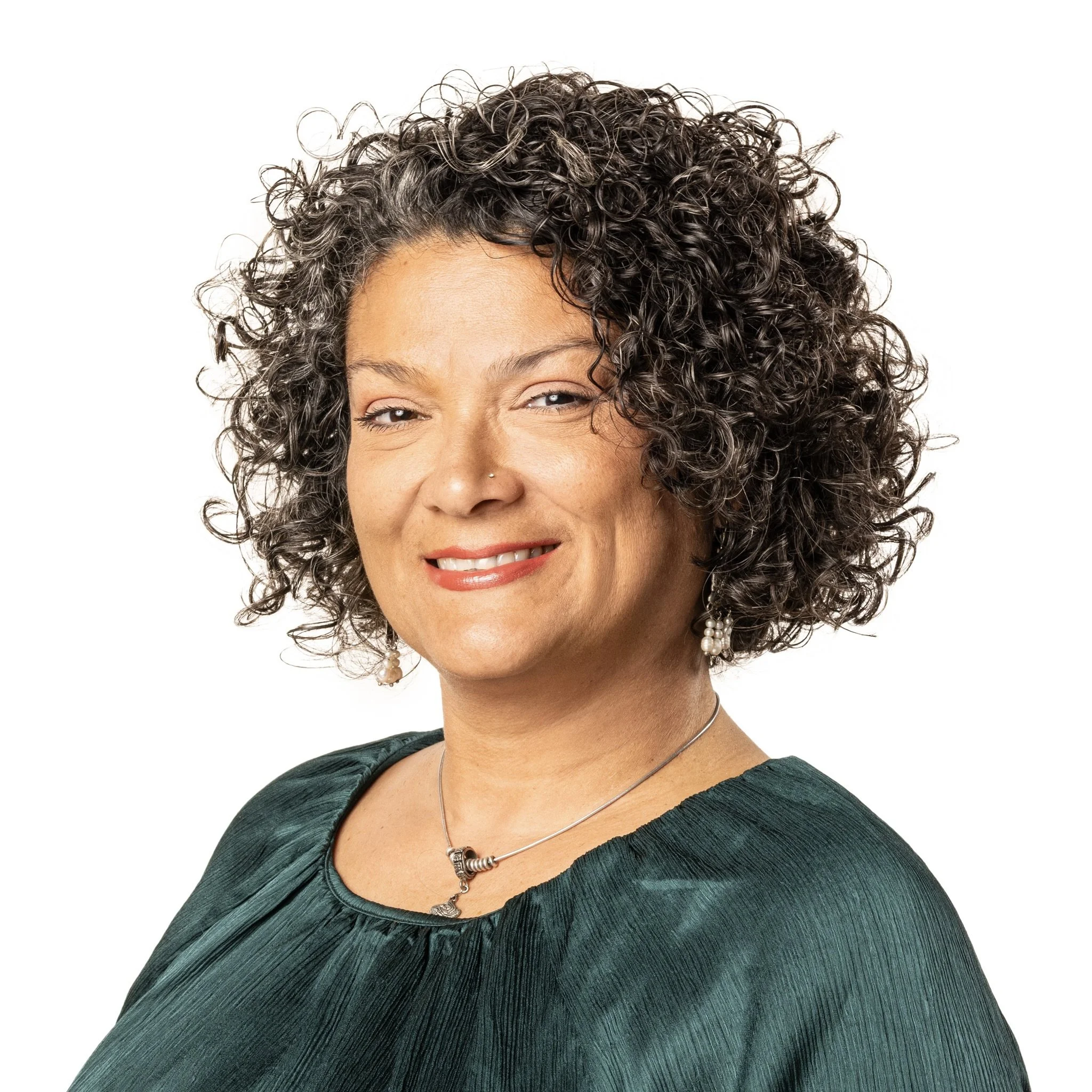
![Sherraine Miller, LPC, ATR Art Therapist Chicago]()
Sherraine Miller, LPC, ATR
-
![]()
Denice Spencer, LCPC
-
![]()
Isa Martinez Mulcahy, LCPC, R-DMT
-
![Bekka Brennan, LCPC, ExTh Art Therapist Chicago]()
Bekka Brennan, LCPC, ExTh



Schedule Your 1st Appointment
How Art & Expressive Arts Therapy Work
Art and expressive arts therapy offer opportunities to explore thoughts, emotions, and experiences in ways that go beyond traditional talk therapy. Rather than relying exclusively on conversation, these approaches incorporate creativity, imagination, and self-expression into the therapeutic process.
Depending on your therapist’s training and approach, sessions may include:
Visual Art: Drawing, painting, collage, and other creative activities that help you express emotions, explore experiences, and gain new perspectives.
Movement & Body Awareness: Using gentle movement, physical sensations, and body-based exploration to deepen emotional awareness and strengthen your connection with yourself.
Writing & Storytelling: Exploring thoughts, feelings, and personal experiences through journaling, poetry, creative writing, or storytelling.
Other Expressive Approaches: Incorporating imagery, music, drama, or other creative experiences to support self-discovery and emotional expression.
Your therapist will tailor these activities to your comfort level, interests, and therapeutic goals. Creative expression may be the central focus of a session or something you explore alongside conversation and other therapeutic approaches.
You don’t have to be an artist, dancer, or writer to benefit. The goal isn’t to create something beautiful or perform a particular skill. It’s to discover new ways of understanding yourself, expressing what you’re experiencing, and connecting with what matters to you.
Interested in exploring the connection between movement, emotions, and mental health? Learn more about our Dance/Movement Therapy in Chicago.

Who Can Benefit From Art & Expressive Arts Therapy?
Art and expressive arts therapy can be especially helpful when it’s difficult to find the words to describe what you’re experiencing. Creative approaches offer another way to explore emotions, understand patterns, and connect with parts of yourself that may be harder to access through conversation alone.
These approaches may be particularly meaningful if you’re:
Navigating anxiety, stress, or overwhelm: Exploring creative expression as a way to better understand your emotions and develop new coping strategies.
Processing trauma or difficult experiences: Working with a therapist who can thoughtfully incorporate creative and body-based approaches at a pace that feels safe and manageable.
Feeling disconnected from yourself or your body: Using movement, imagery, or other expressive activities to build greater self-awareness and connection.
Experiencing grief or a major life transition: Finding ways to express complex emotions and make sense of changes in your life.
Struggling with self-expression: Discovering alternative ways to communicate feelings, needs, and experiences.
Interested in personal growth and self-discovery: Exploring creativity as a way to deepen self-understanding, build confidence, and reconnect with what matters to you.
You don’t need to have a particular diagnosis or consider yourself a creative person to explore these approaches. Art and expressive arts therapy can be incorporated into psychotherapy in ways that honor your individual needs, preferences, and goals.
What Makes Creative Therapy Different?
Sometimes, talking about an experience isn’t quite the same as expressing it. You might understand intellectually why you’re feeling a certain way but still struggle to connect with those emotions or find the words to communicate them.
Art and expressive arts therapy create opportunities to explore your inner world through creativity, imagination, and embodied experiences. Whether you’re working with visual art, movement, writing, or another form of expression, the creative process can offer new perspectives and help you notice feelings, patterns, and possibilities that might otherwise be difficult to articulate.
At Balanced Awakening, we believe there isn’t just one way to heal or grow. Our therapists thoughtfully integrate creative approaches into psychotherapy based on your individual needs, preferences, and goals.
The process matters more than the product. There’s no right or wrong way to express yourself, and you never need to create something impressive for the experience to be meaningful.
Discover What Creative Expression Can Unlock
You don’t have to find the perfect words to begin healing. Whether you’re drawn to visual art, movement, writing, or simply curious about exploring something beyond traditional talk therapy, our therapists can help you discover new ways to express yourself and connect with your experiences.
At Balanced Awakening, we offer art and expressive arts therapy in Chicago and virtually throughout Illinois. Our therapists will work with you to find an approach that feels comfortable, meaningful, and aligned with your goals.
You don’t need artistic experience to get started. Just come as you are.

Art Therapy Blog Posts






What Our Clients Are Saying
-
During our first session Hannah was proactive in creating a plan of action to properly diagnose me and address my concerns. Detailed. Office is beautiful. Love the decor, relaxing ambiance and free tea.
———
-
She was very kind and thorough during intake and the entire office looks like something out of a lifestyle magazine.
———
-
The office is lovely and welcoming, the in-take paperwork helped me prepare for what I wanted to talk about and gave me a starting point.
———
-
Dr. Yang is warm and empathic, and made me feel comfortable from the very beginning.
———
-
Emma has been very supportive through major life changes for me. Her sweet and gentle nature made it easy for me to feel safe to open up to her. I am very grateful for her support and kindness.
———
-
It was my first visit and she made me feel so safe. I opened up right away!
———
Art Therapy FAQs
-
Art therapy and expressive arts therapy incorporate creative expression into the therapeutic process. Traditional art therapy typically focuses on visual art, such as drawing, painting, and collage. Expressive arts therapy may combine multiple forms of expression, including movement, writing, imagery, music, and drama.
At Balanced Awakening, our therapists draw on different creative approaches depending on their training and your individual needs. These experiences can complement talk therapy and offer additional ways to explore emotions, experiences, and personal growth.
-
Absolutely. Creative expression and conversation can work together. Some sessions may focus primarily on talking, while others incorporate art, writing, movement, or imagery.
Your therapist will collaborate with you to determine which approaches feel most useful and appropriate.
-
Art therapy sessions can be more focused on art making - or they can be more focused on talking while art making happens simultaneously or for part of the session. Your art therapist will customize sessions just for you, so you will have a say in how much art vs. how much talking you do in a session.
-
Not at all! You don’t need artistic talent, creative experience, or any particular skills to participate in art or expressive arts therapy.
The focus is on the process of exploration and self-expression—not the finished product. Your therapist will help you find activities that feel approachable and meaningful, and you can always discuss your comfort level before trying something new.
-
Art therapy provides an alternative avenue for emotions and self expression to emerge. Sometimes it can be really challenging to access and express things when you’re in your head. Art therapy gets you in your body, and allows your truth to emerge through your hands instead.
-
Art therapy can be a shorter or longer term therapy, depending on your preferences. Most people will feel better after a few months of art therapy sessions that happen once/week. Others will find it helpful to come to art therapy every other week for a year or longer. The duration and frequency of art therapy is determined by you with the help of your art therapist.
-
Our art therapy rate for the first two sessions is $250. After that, 55 minute sessions are $225.
Most of our art therapists are in network with United Healthcare/Optum, BCBS PPO and Aetna insurance.
-
Absolutely! Sometimes when we hear about art therapy, the focus is on how it helps kids. But did you also know that it can have a profoundly positive impact on the lives of adults? Sometimes as adults it can be more difficult to access fun, joy, play, and creative expression which are all very important parts of mental health and well-being. Art therapy can help adults tap into the flow of joy, fun, and creativity.
-
Art therapy generally uses visual art as a central part of psychotherapy, while expressive arts therapy may incorporate several creative modalities, such as movement, writing, drama, imagery, and visual art.
Both approaches can support emotional exploration and self-understanding. The specific techniques used depend on your therapist’s training, therapeutic approach, and your goals.
-
Yes! Balanced Awakening offers virtual therapy throughout Illinois, and some of our therapists incorporate art or expressive arts approaches into online sessions.
Depending on the activity, you may use simple materials you already have at home. Your therapist can help you explore options that work well in a virtual setting.
-
Yes. While both may involve creative activities, art therapy takes place within a therapeutic relationship and focuses on emotional exploration, self-understanding, and mental health goals.
You aren’t being taught to produce a particular type of artwork, and your therapist isn’t evaluating your artistic ability. The emphasis is on your experience rather than the finished product.