

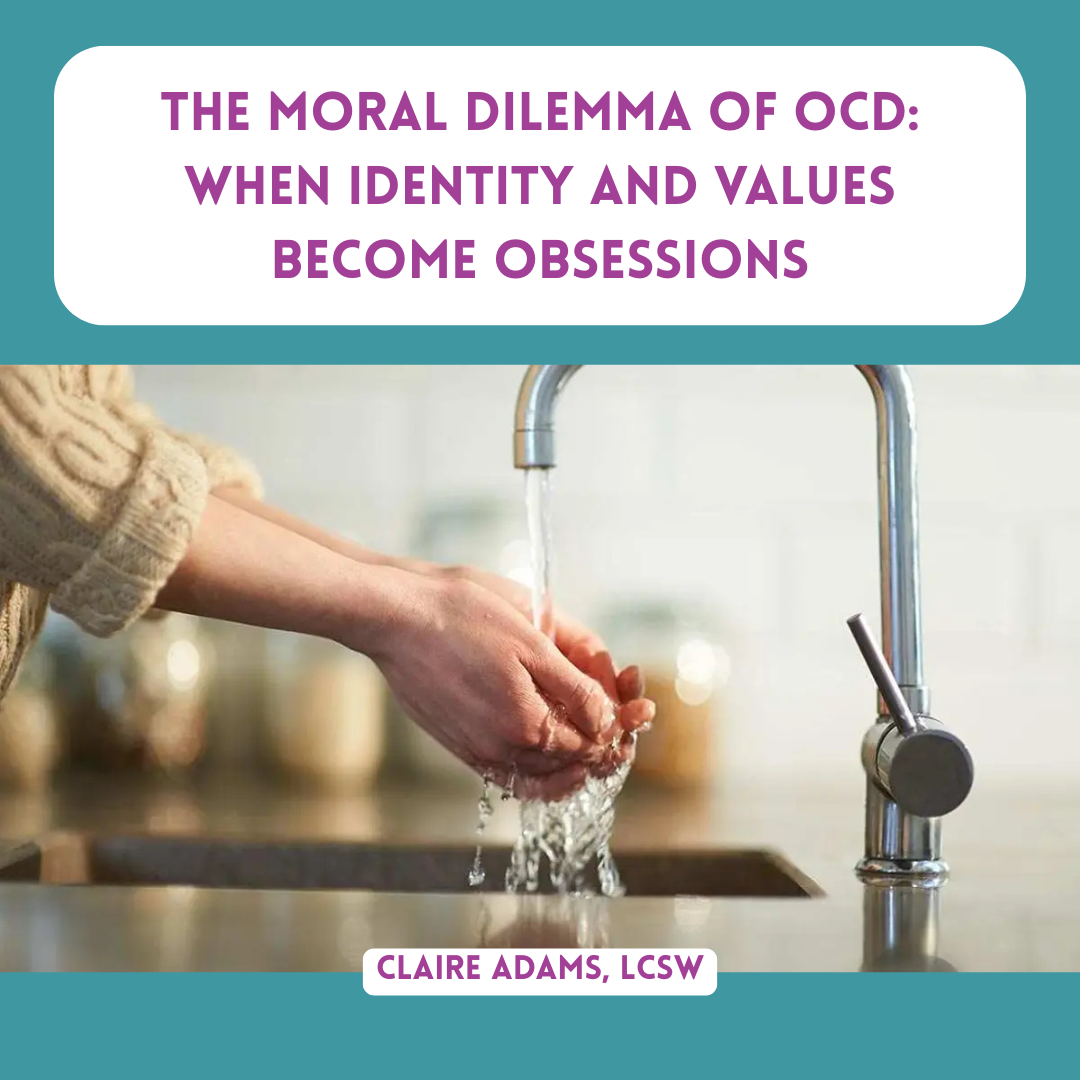
In therapy, one of the biggest topics my clients and I circle back to is identity. As social creatures, we are inherently wired to regularly reflect upon our own identity. But what is identity? Generally speaking, identity is made up of a person’s beliefs, qualities, experiences, and values. It is who we are, how we define ourselves, and how we portray ourselves to others. Additionally, identity exists on multiple levels, including the individual, the social, the cultural, and more.
Humans often crave a distinct, unique, and favorable sense of identity. We all want to feel proud of who we are, as well as respected and celebrated by others. Therefore, a sense of an underdeveloped identity, or concern over our overall identity can result in deep feelings of dissatisfaction, anxiety, sadness, and even self-loathing.
Identity and Moral Character
Deeply tied to our sense of identity is the concept of our moral character. Morals are inherently tied to our values system, which carries broad and notable influence on our sense of identity. Boiled down to its simplest form, morality is often viewed as either being a “good” or “bad” person. If you choose to consciously harm other people, then you are bad. If you choose to help other people, you are good; and so on and so forth. Undoubtedly, morality is far more complex than that, and people cannot be defined as simply “good” or “bad”. Despite this, we often hold strong core beliefs regarding our own goodness and badness that influence the way we feel about ourselves, others, and the world around us.
When Moral Identity Becomes a Central Fear
As a therapist specializing in OCD, I notice many of my clients hold a deep concern regarding their moral identity. Questions like these come up often: Am I a good/bad person? Am I doing the right/wrong thing? If I am a good/bad person, what do I deserve from others and the world?
How OCD Turns Moral Reflection Into Obsession
Ultimately, many human beings struggle with these same moral questions. This line of questioning is not limited to those experiencing OCD. However, the form and function of OCD lends itself very well to obsessing over these questions repeatedly and intensely. OCD is characterized by obsessive thoughts that are unwanted and intrusive in nature, often directly threatening an individual’s values. These are known as ego-dystonic thoughts, meaning the content of obsessive thoughts are in direct contradiction with an individual’s true beliefs, values and identity. For example, a client who dearly loves their romantic partner may struggle with thoughts of breaking up with their partner or cheating on them. These thoughts do not reflect the client’s true desires, but create intense feelings of distress, leading the client to distrust their own thoughts and emotions.
Therefore, the very nature of OCD’s obsessive and intrusive thoughts often convinces individuals that they are bad or evil for experiencing these thoughts in the first place. One can become convinced of this narrative, which can then lead to compulsive rumination or behavioral patterns to neutralize the distress of the intrusive thoughts and the negative affect it has on the overall identity of the individual.
Different Ways Moral OCD Can Show Up
While some individuals experience thoughts that contradict and challenge their values, other obsessions regarding morality may present differently. Some mainly experience intense rumination regarding their moral identity. They do not necessarily have to experience ego-dystonic, intrusive thoughts, but have a deep concern over being a “good” person, and can spend hours analyzing their own identity, decisions, and actions to further investigate this concern.
Most people, at some point in their lives, experience questioning around their identity and sense of personal morality. This is a normal and healthy process to engage in identity development and gain further clarity on personal values. However, OCD pulls this process into an obsessive, unhelpful place.
When Moral Questioning Stops Being Helpful
If you are an individual already diagnosed with OCD, find yourself resonating with many of the known symptoms of the diagnosis, or perhaps identifying with any of the experiences discussed in this blog, here's what to consider: Does thinking about your morality feel productive, or does it feel like running on a hamster wheel? Can you reach conclusions about your character, or do you always need more evidence for your questions? Does reflection lead to growth, or just more anxiety? If moral questioning has become compulsive rather than constructive, OCD treatment can help.
There is a way to learn how to trust your values without the need to constantly test them. All individuals deserve to explore their identity, and while that process naturally comes with some discomfort, it should not be all-consuming, dread-inducing, or paralyzing. Reach out to a therapist who specializes in OCD to begin understanding how your moral questioning has evolved into something unmanageable, and to start your journey toward living in alignment with your true identity, without needing to endlessly prove yourself along the way.